François Fénelon
The Adventures of Telemachus
Afterword & Notes
Translated by N. Hewitt © Copyright 2025 All Rights Reserved.
No part of this publication may be reproduced or transmitted in any form or by any means, electronic or mechanical, including photocopy, recording, or any information storage and retrieval system, without permission in writing from the publisher. For information about permission to reproduce selections from this book, please write to Fenelon Classics LLC, PO Box 22041, Houston, Texas 77227 or [email protected].
Contents
- Afterword
- Acknowledgements
- Illustrations
- Notes on Translation
- Selective Bibliography
- Provenances of Names
- About the Author
Afterword
Much intrigue surrounds the publication of Telemachus. Fénelon may have begun writing the tale as early as 1692, when his charge, the Duc de Bourgogne, was only ten years old. That same year, in recognition of his eloquence and literary excellence, Fénelon was elected to a seat at the prestigious Académie Française with the approval of King Louis XIV. Though forever grateful for the benefices granted him by the king, Fénelon later penned the infamous Lettre au Louis XIV. The Lettre was an outpouring of criticism and condemnation of the king’s absolutist monarchy and his weakness for flattery. In true fénelonian style, the criticism, though stern, was constructive. Discovered after Fénelon’s death, there is nothing to indicate that this Lettre was ever delivered. There are, however, in the Lettre indications of the genesis of Fénelon’s teaching objectives with respect to his charge, the young Duke. Many of his aspirations of ideal governance in the Lettre are found throughout Telemachus.
Fénelon was compelled to leave Versailles in 1695, when he was granted an archbishopric in Cambrai. He nevertheless continued as preceptor to the young Duke as well as his younger brothers. With the publication of his Maxims of the Saints in 1698, Fénelon sparked a theological controversy with his former advocate, and the confessor of Louis XIV, Bishop Bossuet. The conflict over the Maxims would simmer for almost two years, ultimately boiling over in Rome, with the pope reluctantly condemning twenty-three “unorthodox” maxims in January 1699. Following the papal censure, Louis XIV dismissed Fénelon as preceptor to the royal princes. The illicit publication of Telemachus would occur three months later.
As illustrated in Figure 5, Telemachus was handwritten and edited by Fénelon. As with all the princes’ lessons, scribes would rewrite them. Often the scribes would make clandestine copies and sell them. In this way, many of Fénelon’s compositions circulated among the high society of Paris and Versailles. Such was the case with Telemachus. Some claimed to have seen a copy of a manuscript as early as 1694. In the fall of 1698, manuscripts of Telemachus had begun a “strong run” in Paris due to “a great curiosity.” With such a demand, its publication was very tempting, but Fénelon would not consent. The release to the public is generally understood to have happened in this way: a disloyal copyist delivered a copy of the first four books to the widow Barkin, who received a privilege from the king on April 4, 1699 to publish a book entitled Suite de Odyssey livre de Odysée ou les Avantures de Telemaque, fils de l’Ulysse. Rumoured to be a roman à clef of the French court, it was an overnight sensation in Paris. The printing privilege was quickly revoked and an effort made to acquire all copies. However, copies had already reached Holland and England. By autumn of that year, the Holland bookstore, Moetjens, had reproduced not only the volume originally published by the widow Barkin, but also a four-volume edition. The first English edition appeared in parts, beginning in December 1699.
After being relieved of his preceptorship, Fénelon kept up an informal mentorship of the Duke, who was the hope of all enlightened France. In a marriage arranged by the Treaty of Turin, the Duke wed the Princess of Savoy in 1697. The couple had two sons and were reputedly genuinely affectionate for each other. The Duke became next in line to the throne, upon the death of his father. Six months later, the princess contracted measles. Remaining by her side until she died, the prince caught the disease himself and died six days later at the age of twenty nine. The Duc’s oldest son also died from the disease, leaving the younger son, an orphan at the age of two, to be raised by courtiers, first in line to his grandfather, Louis XIV, and the future Louis XV.
Though written for the late Duke, Telemachus’ popularity across age groups fostered its success for over two centuries. Telemachus is said to have been the single most frequently published “children’s” book, in the eighteenth century. It has been translated into countless languages. For over three centuries, Telemachus has continued to inspire writers, leaders and all lovers of wisdom.
Acknowledgements
I owe a heartfelt thank you to A. Devlin and D. Hunter for their diligent editing of this translation.
Illustrations
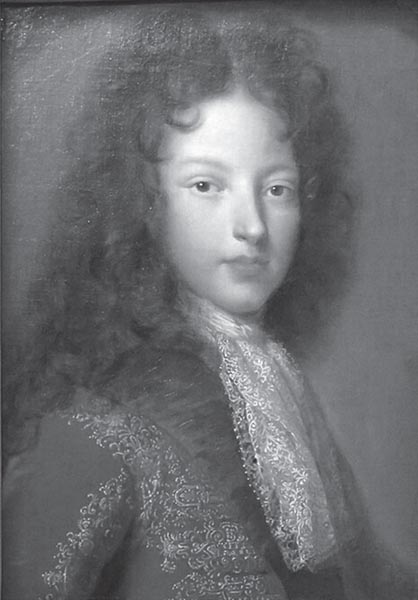
Figure 1: François de Troye, Portrait of the Duc de Bourgogne. Galleria Sabauda.
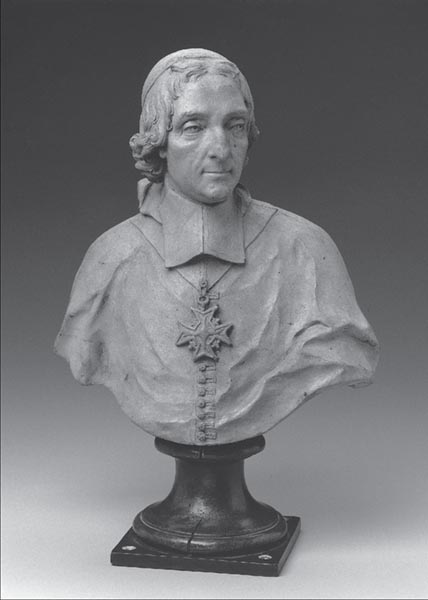
Figure 2: Bust of François de Salignac de la Mothe-Fénelon. Boston, Museum of Fine Arts.
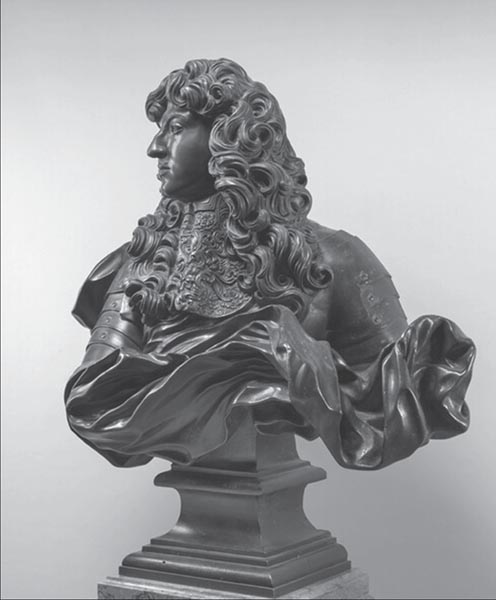
Figure 3: Bust of King Louis XIV. Washington D.C., National Gallery of Art.
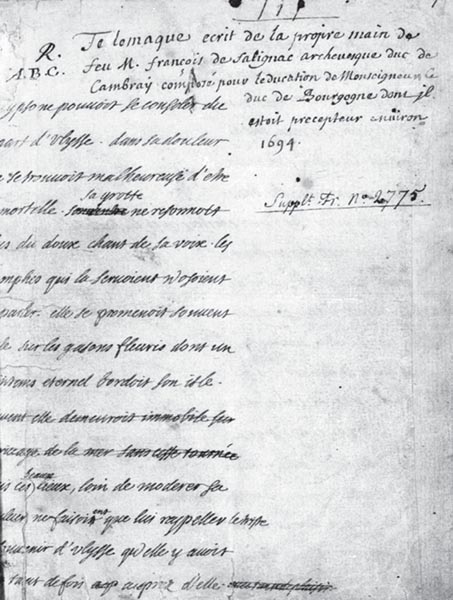
Figure 4: Original manuscript in the hand of Fénelon.
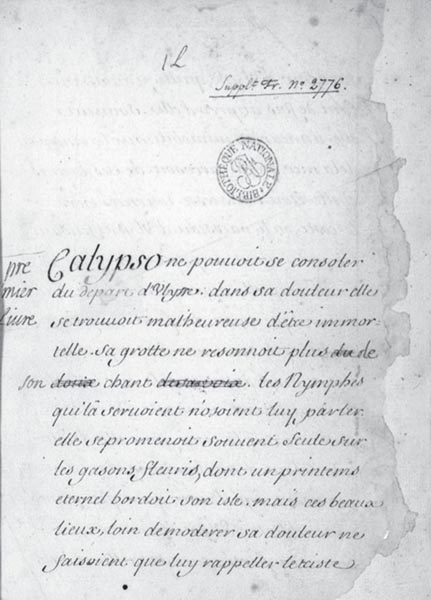
Figure 5: First authorised copy with corrections by Fénelon.
Notes on Translation
This translation is of Fénelon’s handwritten manuscript of Les Aventures de Télémaque (Les Aventures), penned sometime between 1692 and 1699, which was made available to the public through the Bibliothèque National de France website in January 2021 (Figure 4). This digitised version, along with the first copy, authorised and corrected by Fénelon in 1700 (Figure 5) were used as primary resources. In addition, two twentieth-century French publications of Les Aventures, one by Albert Cahen in 1927, and the other by Jacques LeBrun in 1995, provided critical insight into the history of the work, as well as the classical sources on which Fénelon based the education of the prince. With these foundational documents in hand, the primary goals for this translation were threefold: to respect Fénelon’s pedagogical lessons in leadership, to preserve the fénelonian style of writing, and to produce a translation as enjoyable to modern readers around the world as it was to the young prince for whom it was written.
More than forty thousand English words derive from French roots. This is in large measure due to the eleventh-century King of England, William the Conqueror, and the consequent influence of the French clergy and noblemen for more than two hundred years. With this in mind, Fénelon’s original word choice is respected in this translation when English equivalents exist, and they have aged well. Aged well? Even words lose their vitality over time. For example, the French verb charmer (to charm) was used in reference to “casting a magic spell” from the Middle Ages throughout the seventeenth century. Its meaning has weakened over time and may be better translated today as “to enchant,” or “to bewitch.”
Another area where the word choice will differ from Fénelon is in the names of certain characters from Greco-Roman antiquity. This novel is a spin-off of the Greek poet Homer’s epic, The Odyssey, and includes over four hundred characters and places, some borrowed, some invented by Fénelon. Writing for his young charge, who had been born and raised within the gates of Versailles, Fénelon sometimes used the Franco-Latin names that would have been familiar to the prince, e.g. Le Bassin de Neptune, Le Bassin de Céres, Le Bassin de Bacchus. In this translation, however, for the sake of clarity and to render Les Aventures more harmonious for the modern reader, the original Greek names, e.g. Poseidon for Neptune, are used for all characters, an approach of which Fénelon would have approved:
Prenons de tous côtés tout ce qu’il nous faut pour rendre notre
langue plus claire, plus précise, plus courte et plus harmonieuse;
toute circonlucution affaiblit le discours.
—François Fénelon, Lettre à L’Academie, (1714)
“Let us take from all directions all that we must in order to
render our language more clear, more precise, more concise,
and more harmonious; all circumlocution weakens discourse.”
For readers interested in the instances where Fénelon uses Franco-Latin appellations, they are noted with an asterisk in the index to the Provenances of Names.
Syntax. It is well known that syntax (sentence structure) in French varies from that of English. In the interest of preserving the tone, style, and cadence of Fénelon’s writing style, his syntax is preserved whenever possible, as long as the meaning is clear. This may require an extra effort on the part of the modern reader, in deference to maintaining the original cadence and tone.
The original text, as illustrated in Figures 4 and 5, did not include the many pagination, punctuation, and paragraphing standards practised today. For ease of reading, an overlay of modern techniques has been applied when useful to the reading and understanding of the text.
Selective Bibliography
Primary Sources—Fénelon manuscripts and period dictionaries
Fénelon, François. Les Aventures de Télémaque, c. 1694–1699. Bibliothèque National, Gallica, manuscript 14944, Jan. 24, 2021, Accessed Feb. 12, 2023. https://gallica.bnf.fr/ark:/12148/btv1b10077186m
Fénelon, François. Les Aventures de Télémaque, c. 1700. Bibliothèque National, Gallica, manuscript 14945 Copy, with corrections in the hand of Fénelon, Oct. 1, 2012, Accessed Feb. 12, 2023. https://gallica.bnf.fr/ark:/12148/btv1b9064573t/f11.item
Dictionnaire de L’Académie française 4th Edition. https://www.portail-lexical.fr/
Johnson, Samuel. A Dictionary of the English Language. 1755, 1773. Edited by Beth Rapp Young, Jack Lynch, William Dorner, Amy Larner Giroux, Carmen Faye Mathes, and Abigail Moreshead. 2021. https://johnsonsdictionaryonline.com/
Secondary Sources—French Publications
Fénelon, François, Les Aventures de Télémaque, 2 vols. Edited by Albert Cahen. Second ed., Libraries Hachette Boulevard Saint-Germain, 79, 1927. Accessed Feb. 12, 2023. https://gallica.bnf.fr/ark:/12148/bpt6k51377
Fénelon, François Oeuvres. Edited by Jacques Le Brun. 2 vols. Paris: Gallimard (Pleiade). 1983–97.
—Les Aventures de Télémaque, François Fénelon, (1995). Edited by J. LeBrun. Gallimard (Folio). Original work published in the seventeenth century.
Société d’étude du XVIIe siècle (France). Pierre Sipriot. “XVIIe Siècle : Bulletin de La Société d’étude Du XVIIe Siècle.” Gallica, Jan. 1, 1970, Bulletin Nos 12–13-14, pp. 343–366. https://gallica.bnf.fr/ark:/12148/bpt6k9737324z
English Translations of Greek and Latin Classics
Homer, The Iliad (c. 800–c. 700 BC) Translated by R. Fagles. Viking, Penguin Classics, NY 1990.
Homer, The Odyssey (c. 800–c. 700 BC) Translated by R. Fagles. Penguin Classics, NY 1997.
Hesiod, (c. 800) Theogony, Works and Days, The Shield of Heracles, Translated by H. G. Evelyn-White. Alicia Editions, Kindle Edition.
Sappho, (c. 630–c. 570 BC) Translated by A. Poochigian. Penguin Classics, NY 2009.
Sophocles (c. 496–c. 405 BC). The Complete Sophocles, Vol. II. Edited by Peter Burian and Alan Shapiro. Oxford University Press, NY 2010.
—Philoctetes (409 BC) Translated by Carl Phillips. 2003
—The Women of Trachis (c. 496–405 BC) Translated by C.K. Williams and Gregory W. Dickerson. 1978.
Herodotus. The Histories (c. 484–c. 425 BC) Translated by Tom Holland and edited by Paul Cartledge. Penguin Classics Deluxe Edition, NY 2014.
Horace, The Works of Horace (Odes) (c. 35 BC) Translated by Christopher Smart. Kindle Edition. 2020.
Virgil, Aeneid (c. 29–c. 19 BC) Translated by R. Fagles. Penguin Classics. NY 2008.
Ovid, Metamorphoses (c. 43 BC–c. 17 AD) Translated by David Raeburn. Penguin 2004. Kindle Edition.
Pliny the Elder. Complete Works (c. 23–c. 79 AD) Translated by John Bostock and Henry Thomas Riley. Delphi Classics, 2015. Kindle Edition.
Pausanias. Guide to Greece (c. 110AD–c. 180 AD). Translated by Peter Levi. Penguin Books. NY 1985.
Apollodorus. The Library (c. 1 or 2 AD). Translated by James G. Frazier. Loeb Classical Library Volumes 121 & 122. Cambridge, MA, Harvard University Press; London, William Heinemann ltd. 1921.
Modern Translation of The Adventures of Telemachus, including a survey of other British translations
Fénelon, François de Salignac de La Mothe, The Adventures of Telemachus, Translated by A. J. B. Cremer. Anastasis Books, London, England, 2023.
Biographies and Commentaries
Little, Katharine Day, François de Fénelon: Study of a Personality. Harper & Brothers, NY 1951.
Hillenaar, Henk, Le secret de Télémaque. Presses Universitaires de France, Kindle Edition. 1951.
Edmonson, Robert J. and Hal M. Helms (Translators and Editors), The Complete Fénelon. Paraclete Press, MA 2008.
Hayes, Kevin J., The Road to Monticello, The Life and Mind of Thomas Jefferson. Oxford University Press, NY 2008.
Devillairs, Laurence, Fénelon Ou Le Génie Méconnu. Pocket, 12, avenue d’Italie, 75627 Paris 2012.
Hanley, Ryan Patrick, Fénelon: Moral and Political Writings, Oxford University Press, NY 2020.
“The ancients had only the books which they themselves wrote, but we have all their books and moreover all those which have been written from the beginning until our time… Hence, we are like a dwarf perched on the shoulders of a giant. The former sees further than the giant, not because of his own stature but because of the stature of his bearer.”
Provenances of Names
Greek (*Latin equivalents)
Invented ~ Inspiration from Ancient Classics
Acamas, Iliad, Aeneid
Acanthus, Invented
Acestes, Aeneid
Achelous River, Iliad, Metamorphoses
Acheron River, Odyssey, Philoctetes, Aeneid
Acherontia, Invented
Achilles, Iliad, Odyssey, Philoctetes, Aeneid, Metamorphoses
Achinoe, Apollodorus
Achitoas, Invented
Acragas, Aeneid
Acroceraunian mountains, Odes
Admetus, Iliad
Adoam, Invented
Adonis, Sappho, Metamorphoses
Adrastus, Iliad, Aeneid
Aegis, Iliad, Aeneid
Aeneas, Iliad, Aeneid, Metamorphoses
Aeolus, Iliad, Odyssey, Aeneid
Aetolia, Iliad, Odyssey, Aeneid
Agamemnon, Iliad, Odyssey, Aeneid, Metamorphoses
Ajax, Iliad, Odyssey, Philoctetes, Aeneid, Metamorphoses
Alcaeus, Invented ~ Sappho, Odes
Alcides, Aeneid
Alcinous, Odyssey
Alcmena, Iliad, Odyssey, Metamorphoses
Algidus Mountain, Odes
Alpheus River, Iliad, Odyssey, Theogony
Amathus, Aeneid
Amphimachus, Invented ~ Iliad
Amphitrite, Odyssey
Anchises, Iliad, Aeneid
Antilochus, Iliad, Odyssey
Antiope, Invented ~ Odyssey
Antiphates, Iliad, Odyssey, Aeneid
Apennines, Aeneid
Aphrodite (*Venus), Odyssey, Aeneid, Metamorphoses
Apollo, Iliad, Odyssey, Aeneid, Metamorphoses
Apulia, Apulians, Aeneid
Arabs, Aeneid
Arachne, Metamorphoses
Arcesius, Odyssey
Archidamus, Pausanias
Ares (*Mars), Iliad, Odyssey, Aeneid, Metamorphoses
Argonauts, Odyssey, Aeneid
Argos, Iliad, Odyssey, Aeneid
Ariadne, Iliad, Odyssey
Arion, Invented ~ Iliad
Aristodemus, Invented ~ Pausanias
Aristogiton, Invented ~ Pausanias
Arpi, Aeneid
Artemis (*Diana), Iliad, Odyssey, Aeneid
Asclepius, Iliad, Philoctetes, Aeneid, Metamorphoses
Astarbe, Invented
Astraea, Hesiod, Eclogues
Atalanta, Metamorphoses
Athena (*Minerva), Iliad, Odyssey, Aeneid, Metamorphoses
Athens, Iliad, Odyssey
Atlas, Odyssey, Aeneid, Metamorphoses
Atreidae, Iliad, Odyssey, Aeneid
Atreus, Iliad, Odyssey, Aeneid
Attica, Pausanias
Atys, Aeneid
Aufidus River, Aeneid
Aulon Mountain, Odes
Avernus Lake, Aeneid
Babylonians, Pausanias
Baetica, Pausanias
Baetis River, Pausanias
Baleazar, Invented
Barbarians, Invented
Bellerophon, Iliad
Belus, Aeneid
Bocchoris, Invented
Brindisi, Strabo
Bruttii, Bruttians, Diodorus
Butis, Invented
Cacus, Aeneid
Caledonian boar, Hesiod, Metamorphoses
Callimachus, Invented
Calypso, Odyssey
Caphereus, promontory of, Aeneid
Caria, Carians, Iliad, Aeneid
Carpathus, Carpathians, Aeneid
Carthage, Aeneid
Castor, Iliad, Odyssey, Aeneid, Metamorphoses
Cayster River, Iliad
Cecrops, Strabo, Metamorphoses
Centaur, Iliad, Odyssey, Philoctetes, Aeneid
Cerberus, Aeneid
Charon, Euripides, Aeneid
Charybdis, Odyssey, Aeneid, Metamorphoses
Chimera, Iliad, Aeneid
Cilicia, Iliad
Circe, Odyssey, Aeneid, Metamorphoses
Cleanthes, Invented
Cleomenes, Invented ~ king of Sparta
Clytemnestra, Iliad, Odyssey, Philoctetes
Cocytus, Aeneid
Colchis, Herodotus
Crantor, Invented ~ Metamorphoses
Crete, Cretans, Iliad, Odyssey, Aeneid
Crotona, Crotoniates, Pausanias
Ctesilas, Invented
Cyclops, Odyssey, Theogony Aeneid
Cyprus, Cypriots, Iliad, Odyssey, Aeneid
Cythera, Iliad, Odyssey, Aeneid
Daedalus, Iliad, Aeneid, Metamorphoses
Daunians of Apulia–Strabo
Danaids, Metamorphoses
Danaus, Iliad
Dawn (*Aurora), Iliad, Odyssey Aeneid, Metamorphoses
Death, Iliad, Odyssey, Aeneid
Deianira (*Daïanira), Philoctetes, Metamorphoses
Demeter (*Ceres), Iliad, Odyssey, Aeneid Metamorphoses
Demoleon, Iliad
Demophantes, Invented
Desert of Oasis, Herodotus
Deucalion, Iliad, Odyssey, Metamorphoses
Dido, Aeneid
Dioclides, Invented
Diomedes, Iliad, Odyssey, Philoctetes, Aeneid, Metamorphoses
Dionysus (*Bacchus), Iliad, Odyssey Euripides, Aeneid, Metamorphoses
Diophanes, Invented
Dioscore, Invented
Discord, Aeneid
Dog Star, Iliad, Aeneid
Dolopia, Dolopes, Iliad, Aeneid
Dreams, Iliad
Dulichium Island of, Iliad, Odyssey, Aeneid
Earth, Mother of the Gods, Odyssey, Philoctetes, Aeneid
Echinades, Iliad
Echo, Metamorphoses
Egypt, Egyptians, Odyssey, Aeneid
Egyptius, Apollodorus
Elysian Fields, Odyssey, Aeneid
Enna, Cicero
Enyo (*Bellona), Iliad, Aeneid
Epirus, Epirotes, Aeneid
Erebus, Odyssey, Aeneid
Erichthonius (*Erysichthon), Iliad, Metamorphoses
Eros (*Love, Cupid), Aeneid, Metamorphoses
Eryx, Invented ~ Aeneid
Ethiopia, Ethiopians, Odyssey, Aeneid
Etruria, Etruscans, Aeneid
Euboea, Iliad, Odyssey, Philoctetes, Aeneid
Eucharis, Invented
Eumaeus, Odyssey
Eunesimus, Invented
Euphorion, Invented
Europa, Iliad, Aeneid, Metamorphoses
Eurotas River, Aeneid
Eurydice, Odyssey, Metamorphoses
Eurymachus, Invented ~ Odyssey
Eurymedes, Invented
Fates, Iliad, Odyssey, Aeneid
Fauni, Aeneid
Fortune, Aeneid
Furies, Iliad, Odyssey, Aeneid
Galesus River, Odes
Ganymede, Iliad, Aeneid, Metamorphoses
Garganus Mountain, Aeneid
Gibraltar, Isle of, Pausanias
Gibraltar, Strait of, Pausanias
Golden Age, Theogony
Graces, Iliad, Odyssey
Great Bear, Iliad, Odyssey, Aeneid
Greece, Aeneid
Hades (*Pluto), Iliad, Odyssey, Philoctetes, Aeneid
Hazael, Invented
Hebe, Iliad, Odyssey
Hebros River (*Hebrus), Aeneid
Hecate or Artemis (*Hecate, *Diana) Iliad, Aeneid Metamorphoses
Hector, Iliad, Philoctetes, Aeneid
Hegesippe, Invented
Helen, Iliad, Odyssey, Aeneid
Helenus, Iliad, Philoctetes, Aeneid
Helopdorus, Invented
Hephaestus (*Vulcan), Iliad, Odyssey, Philoctetes, Aeneid, Metamorphoses
Heracles (*Hercules), Iliad, Odyssey, Philoctetes, Aeneid, Metamorphoses
Hermes (*Mercury), Iliad, Odyssey, Philoctetes, Aeneid, Metamorphoses
Hesperia, Hesperian, Aeneid
Hesperides, Aeneid, Metamorphoses
Hileus, Invented
Himera, Himerans, Pausanias
Hippias, Pausanias
Hippocoon, Iliad, Aeneid
Hippolytus, Invented ~ Aeneid, Metamorphoses
Hippomachus, Invented ~ Iliad
Hippomenes, Metamorphoses
Hydra of Lerna, Philoctetes, Aeneid
Hylas, Theocritus
Icarius, Odyssey
Idalium, Aeneid
Idomeneus, Iliad, Odyssey, Aeneid
Ilium, Iliad, Odyssey, Aeneid
Inachus, Aeneid, Metamorphoses
Iole, The Women of Trachis
Iphicles, Invented
Iris, Iliad, Aeneid, Metamorphoses
Ismarus Mountain, Odyssey, Aeneid
Italy, Aeneid
Ithaca, Ithacans, Iliad, Odyssey, Aeneid
Ixion, Iliad, Philoctetes, Aeneid
Joazar, Invented
Lacedaemon, Lacedaemonians, Iliad, Odyssey
Laconia, Laconians, Invented
Laertes, Iliad, Odyssey, Philoctetes, Aeneid
Laestrygonians, Odyssey
Laomedon, Iliad, Philoctetes, Aeneid, Metamorphoses
Lapiths, Iliad, Odyssey, Aeneid
Lemnos, Iliad, Odyssey, Philoctetes, Aeneid
Lesbos, Lesbians, Iliad, Odyssey
Leto (*Latona), Iliad, Odyssey, Theogony, Aeneid Metamorphoses
Leucata, Aeneid
Leucothea, Invented ~ Odyssey, Metamorphoses
Lichas (*Lychas), The Women of Trachis, Aeneid Metamorphoses
Linus, Theogony
Liris, Aeneid
Locrian, Iliad, Aeneid
Lucanian, Invented
Lycia, Lycians, Iliad, Aeneid
Lycomedes, Iliad, Philoctetes
Lydia, Lydians, Aeneid
Machaon, Invented ~ Iliad, Aeneid
Maenads (*Bacchantes), Aeneid
Malachon, Invented
Mandurians, Pliny II
Memphis, Pausanias
Menecrates, Invented
Menelaus, Iliad, Odyssey, Philoctetes, Aeneid
Mentor, Invented ~ Iliad, Odyssey
Meriones, Invented ~ Iliad
Messapia of Apulia, Messapians, Aeneid
Metapontum, Invented
Metophis, Invented
Metrodorus, Invented
Minos, Iliad, Odyssey, Aeneid, Metamorphoses
Morpheus, Metamorphoses
Mount Etna, Aeneid
Mount Ida, Iliad, Aeneid
Mount Lebanon, Invented
Mount Oeta, Philoctetes
Muse, Iliad, Odyssey, Aeneid
Mycenae, Iliad, Odyssey, Philoctetes, Aeneid
Nabopharsan, Invented
Naiads, Odyssey
Narbal, Invented
Narcissus, Metamorphoses
Nauplius, Apollodorus
Nausicrates, Invented
Naxos, Aeneid
Nebrodes, Livy
Nemean Lion, Theogony, Aeneid
Nemesis, Theogony
Neoptolemus, Iliad, Odyssey, Philoctetes, Aeneid
Nereids, Iliad
Nereus, Iliad, Aeneid
Nessus, Philoctetes, Metamorphoses
Nestor, Iliad, Odyssey, Philoctetes, Metamorphoses
Nicostrates, Pausanias
Nile the River, Odyssey, Aeneid
Nile the River god, Apollodorus
Nilus, Invented
Nireus, Iliad
No, Invented
Nosophugus, Invented
Ocean, Iliad, Odyssey, Aeneid
Odysseus (*Ulysses), Iliad, Odyssey, Philoctetes, Aeneid Metamorphoses
Oebalians, Invented
Olympus, Iliad, Odyssey, Philoctetes, Aeneid
Omphale, The Women of Trachis
Orestes, Iliad, Odyssey, Aeneid
Orpheus, Aeneid, Metamorphoses
Paean, Pausanias
Palaemon, Pausanias
Pallas, Iliad, Odyssey, Aeneid
Pan, Aeneid, Metamorphoses
Pandora, Pandora's Box, Theogony
Paphos, Odyssey, Aeneid, Metamorphoses
Paris, Iliad, Philoctetes, Aeneid, Metamorphoses
Patroclus, Iliad, Odyssey
Peleus, Iliad, Odyssey, Philoctetes, Metamorphoses
Peloponnese, Pausanias
Pelusium Invented
Penelope, Odyssey
Periander, Invented ~ Pausanias
Persephone (*Proserpina), Iliad, Odyssey, Aeneid, Metamorphoses
Petilia, Aeneid
Peucetians of Apulia, Pausanias
Phadael, Invented
Phaeacians, Odyssey, Aeneid
Phalantus, Pausanias
Pharos, Odyssey
Pherecides, Pausanias
Philocles, Pausanias
Philoctetes, Iliad, Odyssey, Philoctetes, Aeneid
Phlegethon River, Iliad
Phocis, Iliad
Phoebus Apollo, Iliad, Odyssey, Aeneid
Phoenicians, Iliad, Odyssey, Aeneid
Phoenix, Iliad, Philoctetes, Aeneid
Pholoe, Invented ~ Aeneid
Phrygia, Phrygians, Iliad, Aeneid
Phthians, Iliad, Odyssey
Pillars of Heracles, Pausanias
Pisistratus, Odyssey
Ploughman, Odyssey
Podalirius, Invented ~ Iliad, Aeneid
Poias, Odyssey, Philoctetes
Polycletes, Invented
Polydamas, Iliad
Polydeuces (*Pollux), Iliad, Odyssey, Aeneid
Polymenes, Invented
Polyphemus, Iliad, Odyssey, Aeneid, Metamorphoses
Polytropus, Invented
Poseidon (*Neptune), Iliad, Odyssey, Aeneid, Metamorphoses
Priam, Iliad, Odyssey, Philoctetes, Aeneid, Metamorphoses
Protesilas, Invented ~ Iliad
Pterelas, Invented
Pygmalion, Invented ~ Aeneid, Metamorphoses
Pylos, Pylian, Iliad, Odyssey
Rhesus, Iliad
Rhodes, Rhodians, Iliad
Rhodope Mountains, Metamorphoses
Ruin, Iliad
Rumour, Odyssey, Aeneid
Salapian, Invented
Salentum, Salentines, (*Sallentine, Salentino, Sallentini), Aeneid
Samos, Samian, Iliad, Aeneid
Saturn (*Saturnus), Aeneid, Metamorphoses
Satyr, Pausanias
Scylla, Odyssey, Aeneid, Metamorphoses
Scyros, Iliad, Odyssey, Philoctetes, Aeneid
Scythians, Pausanias
Semele, Iliad, Metamorphoses
Sesostris, Invented ~ Pausanias
Sicily, Sicilians, Odyssey, Aeneid
Sigeum, Philoctetes, Aeneid
Silenus, Metamorphoses
Simois, Iliad, Aeneid
Siponto, Sipontines, Pausanias
Sirens, Odyssey, Aeneid
Sisyphus, Iliad, Odyssey
Sleep, Iliad, Aeneid
Sophronymus, Invented
Sparta, Iliad, Odyssey, Philoctetes, Aeneid
Spercheios River, Iliad, Philoctetes
Stygian Marsh, Aeneid
Styx, Iliad, Odyssey, Aeneid
Sun (*Sol), Aeneid, Metamorphoses
Sybarites, Aeneid
Sychaeus, Aeneid
Syria, Syrians, Odyssey
Tantalus, Odyssey
Tarentum, Tarentins, Aeneid
Tartarus, Iliad, Aeneid
Telamon, Iliad, Odyssey, Metamorphoses
Telemachus, Iliad, Odyssey
Termosiris, Invented
Termutis, Invented
Thebes, Iliad, Odyssey, Aeneid
Theophanes, Invented
Thersites, Iliad, Philoctetes
Theseus, Iliad, Odyssey, Philoctetes, Aeneid, Metamorphoses
Thessaly, Theogony
Thetis, Iliad, Odyssey, Aeneid, Metamorphoses
Thrace, Thracians, Iliad, Odyssey, Aeneid
Thyestes, Iliad, Odyssey
Timocrates, Invented
Tiphys, Pausanias
Tityus, Odyssey, Aeneid
Topha, Invented
Trachis, Iliad, The Women of Trachis
Traumaphilus, Invented
Triptolemus, Pausanias
Triton, Aeneid, Metamorphoses
Troy, Trojans, Iliad, Odyssey, Philoctetes, Aeneid
Tydeus, Iliad, Odyssey, Philoctetes, Aeneid
Tyre, Tyrians, Herodotus, Aeneid
Underworld, Iliad, Odyssey, Aeneid
Venuse, Pliny the Elder III
Xanthus River, Iliad, Aeneid
Zachynthus, Island of, Iliad, Odyssey, Aeneid
Zeus (*Jupiter), Olympian Zeus, Iliad, Odyssey, Philoctetes, Aeneid, Metamorphoses
François de Salignac de la Mothe-Fénelon
Fénelon was born August 6, 1651, at the chateau de Fénelon, the next oldest of four children from the second marriage of a minor nobleman in the Perigourd region of France. He lived in the ancestral home until the age of twelve, where he was initiated into the study of ancient classical scholars. He continued his education at the University of Cahors, then the Collège du Plessis, in Paris. Having lost his father early in his childhood, his uncle, the Marquis de Fénelon, convinced him to enter into the seminary of Saint Sulpice. Ordained a priest at the age of twenty-four, he devoted the next fourteen years to religious studies and pedagogical theories where he distinguished himself as an advocate for the education of girls. His Traité de L’Éducation des Filles (Treaty on the Education of Girls) was published when he was thirty-six years old. Sometime afterward, the Duc de Beauvilliers was named governor of the royal Children of France. The Duke convinced King Louis XIV to nominate Fénelon as preceptor to the oldest grandchild, the Duc de Bourgogne along with his two brothers.
For his young charges, Fénelon directed and prepared curriculum, including the Fables, followed by the Dialogues des Morts (Dialogues of the Dead), and ultimately Les Aventures de Telemaque (The Adventures of Telemachus).
Admitted to the prestigious Académie Français in 1693, he received from the king in 1694 the abbey of Saint-Valery, followed by the archbishopric of Cambrai in 1695. As archbishop he was compelled to spend nine months of the year in his parish at Cambrai and, continuing as preceptor to the young princes, three at Versailles.
In 1697, Fénelon published another masterpiece, l’Explication des Maximes des Saints sur la vie intérieure (Explication of the maxims of the saints on the interior life). His advocate-cum-adversary, Bishop Bossuet challenged them as unorthodox and, with King Louis XIV’s approval, convinced the pope to condemn several of the maxims.
Despite the considerable income afforded Fénelon by his responsibilities as abbot and archbishop, he died penniless in Cambrai following a carriage accident in 1715. He had expended all his resources in attending to his parish. His legacy of spiritual growth, selflessness and ideals of leadership live on in his writings and his admirers.